↓ Skip to main content

Notes

Short things: TILs, links, half-thoughts. The long posts live under Archives.

Na slovenskej Wikipédii je veľa červených odkazov - teda odkazov na články, ktoré zatiaľ neexistujú. Na to existuje šikovný nástroj: What to Blue, ktorý chýbajúce články zoradí podľa popularity, takže hneď vidno, ktorý nový článok by Wikipédii pomohol najviac.

Chvíľu som sa s ním hral a rozhodol som sa sústrediť na oblasť, ktorej rozumiem najviac: softvérové inžinierstvo, open source a ľudia zo sveta softvéru, ktorých pozná každý programátor, ale málokto iný. Na slovenskej Wikipédii sú výrazne podreprezentovaní. Ich články buď úplne chýbajú, alebo sú to len krátke výhonky - oveľa kratšie ako česká verzia, o anglickej ani nehovoriac. Špeciálnou kategóriou sú ženy v tejto oblasti - zastúpenie stránok venovaných ženám v Computer Science na slovenskej Wikipédii je hanebne žalostné.

Začal som teda tieto články vytvárať a rozširovať. Zatiaľ mám zoznam približne 80 článkov na najbližšie týždne. Prvé sú už vonku: nový článok Larry Ellison, rozšírený Guido van Rossum, autor Pythonu, a nová Margaret Hamilton, ktorá písala softvér pre Apollo. Ďalší na rade je James Gosling, otec Javy, a niekoľko technologicky orientovaných článkov (Kubernetes, programovacie jazyky, cloudové technológie). Bude to zaujímavý challenge, keďže tieto články by nemali byť písané mojou obľúbenou voľnou zmesou angličtiny a slovenčiny, ale poriadne spisovne a hlavne s dodržiavaním terminológie, ktorú vo väčšine prípadov nepoužívam.

Červené odkazy sa tak pomaly budú meniť na modré… alespoň doufám (viď Zdeněk Svěrák v Záskoku)

A ešte jeden shameless personal plug na záver: môj edit counter na Wikipédii presiahol 1000, aj keď drvivú väčšinu z nich tvoria jednoduché malé edity. Na vyjadrenie počtu vlastných článkov mi bohužiaľ stále stačia 4 bity. But it’s a start.

Wikimedia Editaton - “Wiki miluje film” sa včera skončil. Tento rok editori slovenskej Wikipédie pridali 45 nových článkov na tému film, herci, seriály a všetko, čo súvisí s filmovým umením. Je to skoro 50% nárast oproti minulému roku. Samozrejme, som sa zapojil a tiež som prispel. Bola to zábava, naučil som sa veľa nových vecí pri hľadaní zdrojov a prekladaní článkov z anglickej a španielskej Wikipédie.

Dúfam, že moje obľúbené filmy, ako sú Divoké historky, alebo Vážený občan, si nájdu nových divákov aj vďaka slovenskej Wikipédii.

Občianske združenie Istros, alias Spoločnosť priateľov Grécka a Cypru na Slovensku ktoré sme tento rok založili, má konečne website, ktorý nie je statický. Pôvodný website mal neprekonateľnú cenu, bol zadarmo, ale technológia použitá pre jeho zostavenie viac-menej vylučovala jednoduché udržiavanie a pridávanie obsahu iným ako mnou, alebo niekým, kto je doma v oblasti DevOps statických websitov a má prístup ku všetkým komponentom.

Výbor Združenia rozhodol, že ideme preportovať obsah na WordPress tak, aby aj ostatní členovia mohli prispievať obsahom, a vytvárať nové príspevky.

Včera sa to stalo, a https://www.istros.eu/ je online.

Both my wife and I have our favorite toys and leisure activities: mine are gadgets, books, internet and recently AI. And one of hers was always the garden. We also have many shared leisure activities like hiking and traveling, but that’s not the point; the point is how these two worlds, the world of AI and the world of gardening, suddenly connected.

She has been using AI, mainly Google Gemini, for some time, and was quite impressed with its results. I couldn’t really convince her that Claude (especially Opus and Fable) is in a different league. Technically, it wasn’t a fair comparison, because she was using the free models from Gemini and I was using the top models from Claude, but nevertheless.

So yesterday I installed the Claude Desktop application on her MacBook, and connected it to our Max-20 subscription. Afterwards I created two co-working projects: one of them for her new garden, and fed it the history of her previous Gemini conversations on the garden topic, plus a photo of a hand-drawn plan of the garden with the locations of existing and planned plants, some distances and some scribbled notes.

We were both amazed to see what Fable managed to do with it. It created a great-looking plan of the garden. It created a list of plants with recommendations, a separate markdown note for each, outlining which one needs to go to a more shady part and which to a more sunny one, and which has which water requirements (this was his own initiative, we just approved doing it). It drafted an irrigation system design so that the garden can survive our travels in summer. It made several more suggestions, which hadn’t even occurred to us. Well, there is no surprise they didn’t occur to me, as my capability for suggestions when it comes to the area of gardening is extremely limited; but my wife said that she actually saw several good suggestions from her point of view as an experienced gardener.

Well done, Fable, well done!

Whatever I sit down to do with an AI coding assistant, the session ends the same way: the token budget is gone. It does not seem to matter what the task was. Fix one small bug, plan a migration, write a three-paragraph note like this one - by the end I am watching the context meter instead of the work.

For a while I read that as bad estimation on my part. I think it is something duller. The work is not what costs; the situating is. Before anything useful happens, the assistant has to be told where it is: which repo, which conventions, what was decided last week and why, which of my rules are real rules. That bill is roughly the same whether the edit that follows is one line or two hundred. So a trivial task and a serious one cost about the same to start, and only the serious one feels worth it afterwards.

The other half is mine. Given room, I keep going. A finished task is an invitation to look at the next thing while everything is still loaded, and that is exactly when the budget disappears - not on the work I planned, but on the three things I noticed along the way.

I kinda hope this week will be different because I went to High Tatras for 3 days, did some hiking:

hike.jpg

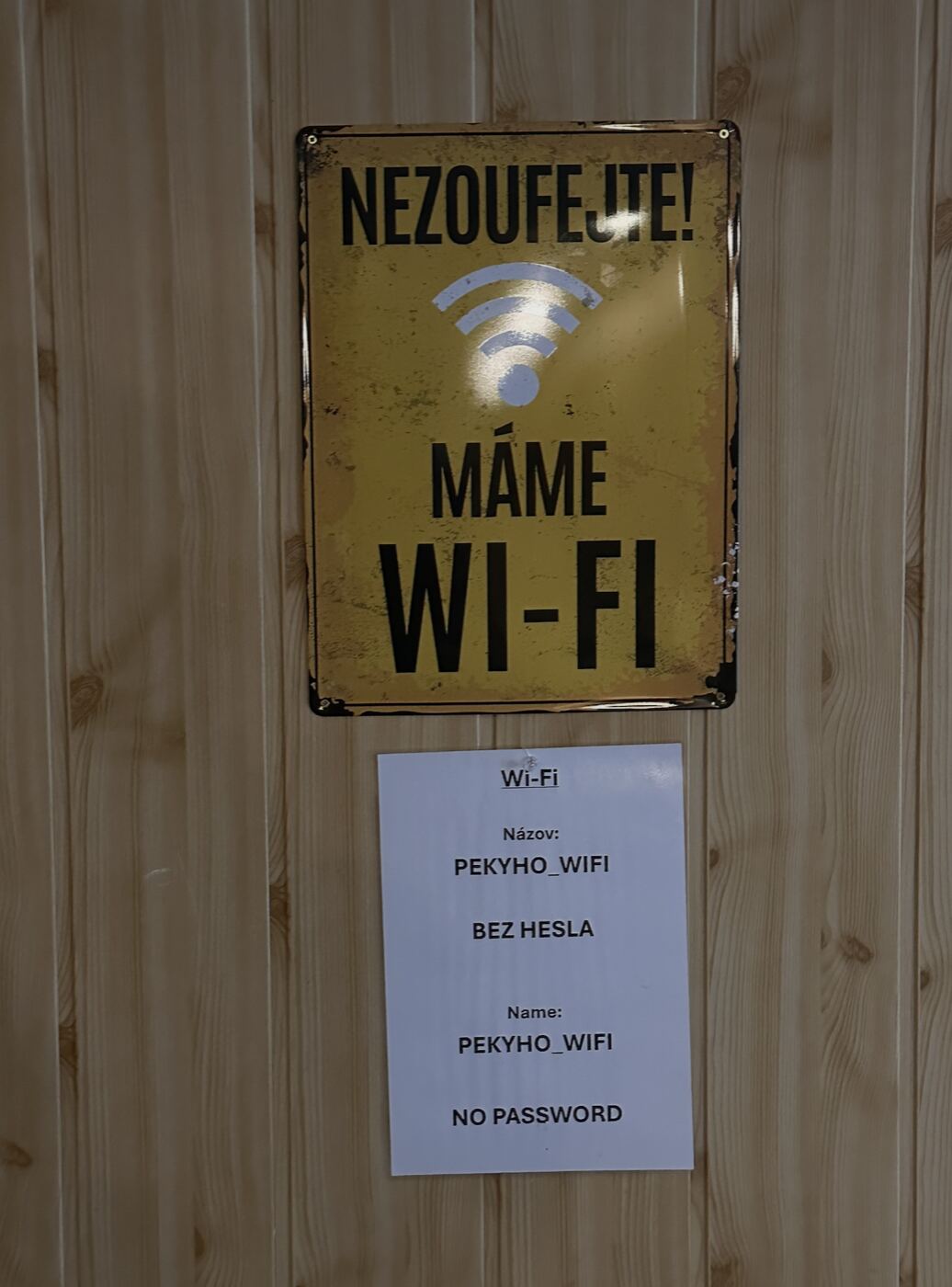
but there was internet in the hotel, so in the evening I was able to have a chat with Claude.

wifi.jpg

Speaking of hotel: Chata na Popradskom plese - greatly recommened

Parkinson’s law, with a meter attached.

My company, Klassify s.r.o., finally has a web page: klassify.com. Until now the domain carried only my email, and anyone who looked it up from an invoice or a contract found nothing at all.

It is a single static page, no framework: who Klassify is, what kind of engagements I take, the certifications, and where to find more. The “more” is this blog, so the landing page points here, and this note points back.

What you will not find there is exaggeration, linked-in-ish AI crafted slop or bullshit about “thought leadership” and “service excellence” and so on. It’s a one-man corporation whose only reason to exist is to take care of the business side of my engagements.

A longer post on how it was put together (GitHub Pages, Route 53, and a working session with Claude) is here: How klassify.com went live: one static page, GitHub Pages and Route 53.

Most of my note-taking and thinking happens in Obsidian, so natural extension of this tool was to allow a pipeline that allows me to publish a thought or a quick note directly from Obsidian Vault into the this blog.

Every note starts its life as obsidian note, and through dedicated set of tags and custom attribute for publishing, it finds its way to the repository holding the source of this blog. Then another pipeline: the one that pre-compiles static website and publishes to GitHub takes over and makes the note visible.

It happened today, and this is a first quick note: being published through this mechanism. Thank you, Fable !

This blog now has a notes stream — short things that don’t warrant a full post. It has its own RSS feed. This is the first one, mostly to prove the machinery works.